The Importance of Safety Culture on Job Sites
In construction, safety is more than a requirement—it's a responsibility. Every project involves multiple trades, heavy equipment, changing site conditions, and tight schedules. While regulations and safety programs provide a foundation, a strong safety culture is what truly protects workers, keeps projects on track, and contributes to long term success.
What Is Safety Culture?
Safety culture refers to the collective attitudes, behaviors, and values that prioritize safety on a job site. It goes beyond compliance with OSHA regulations and company policies. A strong safety culture exists when every individual on the project, from project managers to subcontractors, takes ownership of maintaining a safe work environment.
When safety becomes part of a company's everyday mindset rather than just a checklist, job sites operate more efficiently and with fewer incidents.
Protecting the Most Valuable Asset: People
The most important reason for prioritizing safety is simple: protecting workers.
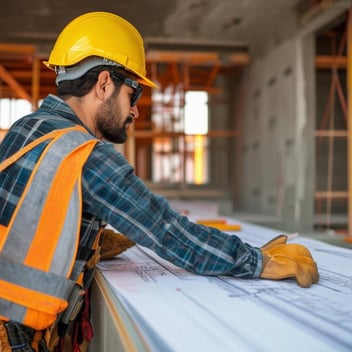
Construction professionals face a variety of hazards daily, including falls, equipment accidents, electrical risks, and exposure to dangerous materials. A strong safety culture encourages employees to identify potential hazards, report concerns, and take proactive measures before incidents occur.
When workers know their well being is valued, they are more likely to remain engaged, productive, and committed to the project.
Improving Project Efficiency
Many people view safety as something that slows a project down. In reality, the opposite is often true.
Accidents can lead to work stoppages, investigations, schedule delays, damaged equipment, and increased costs. By fostering a culture that prioritizes safety from the start, contractors can minimize disruptions and keep projects moving forward.
Safe job sites are often more organized, better coordinated, and more productive overall.
Reducing Costs and Risk
Workplace injuries can result in significant financial consequences for contractors, owners, and project stakeholders. Medical expenses, workers' compensation claims, legal costs, and lost productivity can quickly impact a project's bottom line.
Investing in safety training, hazard prevention, and employee engagement helps reduce risk and creates a more predictable construction process. Over time, a strong safety culture can contribute to lower insurance costs and improved project performance.
Building Trust with Clients
Owners and developers want to work with contractors who prioritize professionalism and risk management. A strong safety record demonstrates a commitment to quality, accountability, and operational excellence.
When clients see a contractor maintaining clean, organized, and safety focused job sites, it builds confidence that the project is being managed effectively. Safety is often a reflection of how a company approaches every aspect of construction.
Key Components of a Strong Safety Culture
Creating a safety culture requires ongoing commitment from everyone involved. Successful commercial contractors often focus on:
- Regular safety training and education
- Daily job site safety meetings
- Clear communication among all trades
- Hazard identification and reporting procedures
- Accountability at every level of the organization
- Continuous improvement through lessons learned and feedback
Most importantly, leadership must set the example. When company leaders consistently prioritize safety, employees are more likely to do the same.
Safety Is Everyone's Responsibility
A safe job site doesn't happen by accident. It is the result of intentional planning, open communication, and a shared commitment to protecting one another.
At the end of the day, commercial construction is about building more than structures. It's about creating environments where people can work confidently and return home safely to their families. By investing in a strong safety culture, contractors can deliver successful projects while protecting the people who make them possible.